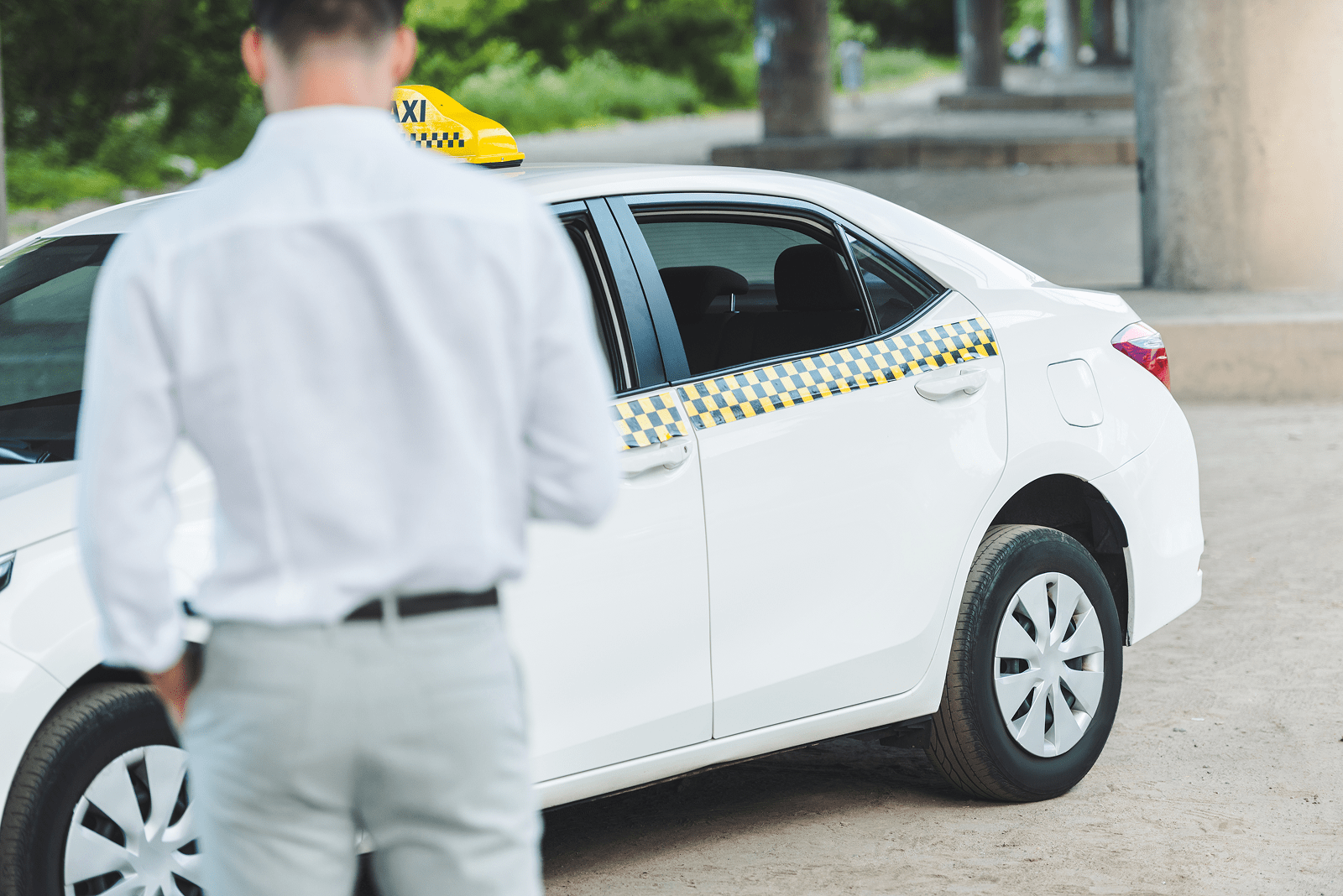
Want to lease a car to become an Uber driver or use another ride-hailing platform? Read up on what’s allowed and what’s not.
The colour of a taxi is changing. While the iconic black London taxi still darts around roundabouts and New York is still constantly swarming with schools of yellow cabs, now, in every major city, the population of white or black stickered sedans that typify an Uber (or another ride-hailing service like Bolt, Lyft or Ola) has taken a hold of British roads. In the UK alone, there were over 100,000 registered PHVs (private hire vehicles) using Uber, according to the company’s own data.
Many are looking to start a career of their own using one of these ride service apps, but putting down a deposit on a brand-new sedan already puts you far in the red. Is it possible to lease your first Uber car in order to offload the hefty initial investment? In this guide, we look at whether UK leasers allow their lease cars to be used for taxiing and the practicalities one should consider.
Can You Use a Lease Car as an Uber?
In the UK, personal contract hire (PCH) leases are taken by individuals for private use, while business contract hire (BCH) leases are for companies or self-employed individuals, which does not include running a minicab service. Crucially, most standard leasing agreements prohibit using the vehicle for “hire or reward” services, a.k.a. carrying paying passengers. This means that using a typical leased car as an Uber, Bolt or Lyft vehicle would violate the lease terms. For example, one broker’s FAQ states they “will not lease out cars for hire or reward purposes”.
Another hurdle is vehicle ownership and registration. In contract hire leases, the finance company is usually the registered owner of the car. Transport for London (TfL) requires that “the vehicle owner [registered keeper] apply for a Private Hire Vehicle (PHV) licence”, and PHV licensing is typically undertaken by the vehicle’s owner. A lease company may be unwilling to go through a taxi licensing process for a vehicle they own, or to allow a lessee to do so.
Are Lease Cars Banned by Uber and Other Ride-Hailing Apps?
The apps themselves do not ban leased vehicles – from platforms like Uber’s perspective, as long as the car is properly licensed and insured, it can be used. However, due to the above issues, it is unlikely that you’ll be able to obtain permission to use a lease car as a taxi.
In summary, the safest and most cost-effective choice for an aspiring ride-hailing driver is to avoid a normal personal lease and either buy a suitable car or use a dedicated private hire rental service. This ensures you stay within the law, meet all Uber/Bolt/Lyft requirements, and protect yourself from unwelcome surprises at the end of your lease.
Choose the Right Lease Deal with cars2buy
While a standard lease may not be suitable for ride-hailing work, that doesn’t mean leasing isn’t right for you. Whether you’re after a vehicle for personal use or a business that fits within standard leasing terms, cars2buy makes finding your ideal car simple and stress-free. With access to hundreds of competitive lease deals from trusted providers across the UK, you can compare offers side by side and tailor your search to make the process simple and quick. Browse our curated collection of new car leases today, and you could be driving away in a brand-new model sooner than you think.